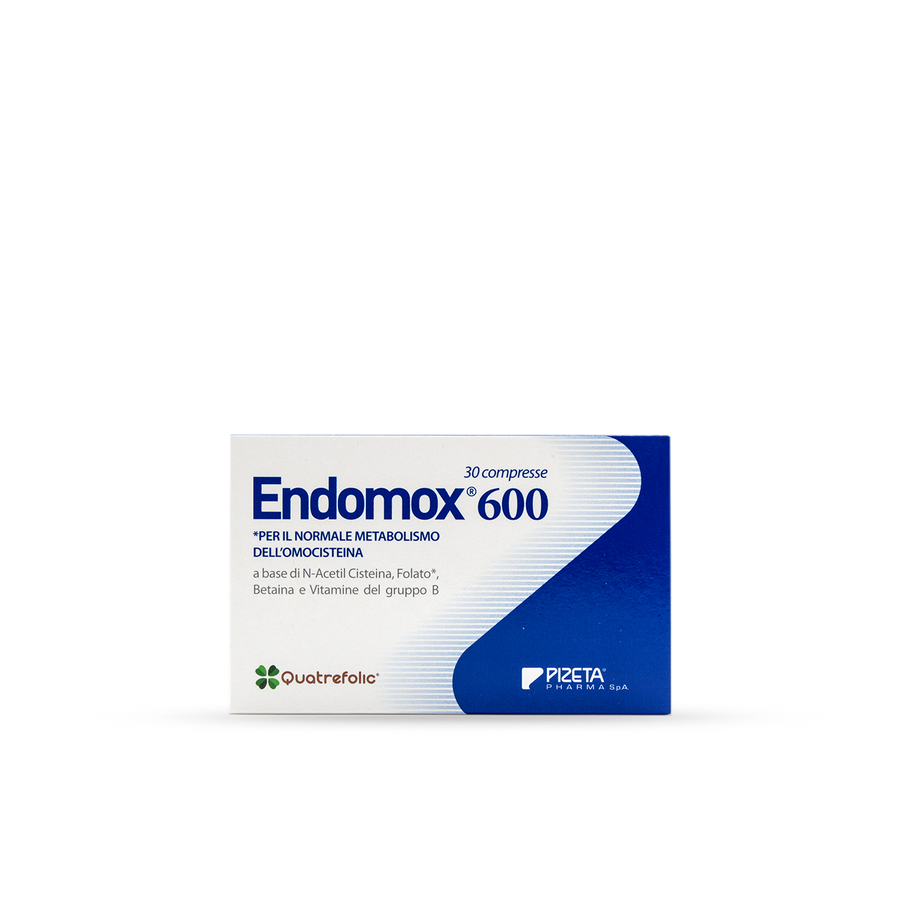
Endomox 600
Endomox 600 is a dietary supplement that supports normal homocysteine metabolism*.
€23,38
VAT included
The online shop is currently available only in Italy. For purchases from outside Italy, please contact us at shop@pizetapharma.com
Your transaction is protected with advanced security measures to keep your information private.
Dermatologically tested, physiological pH, refreshing

Endomox 600 is a dietary supplement that supports normal homocysteine metabolism*.
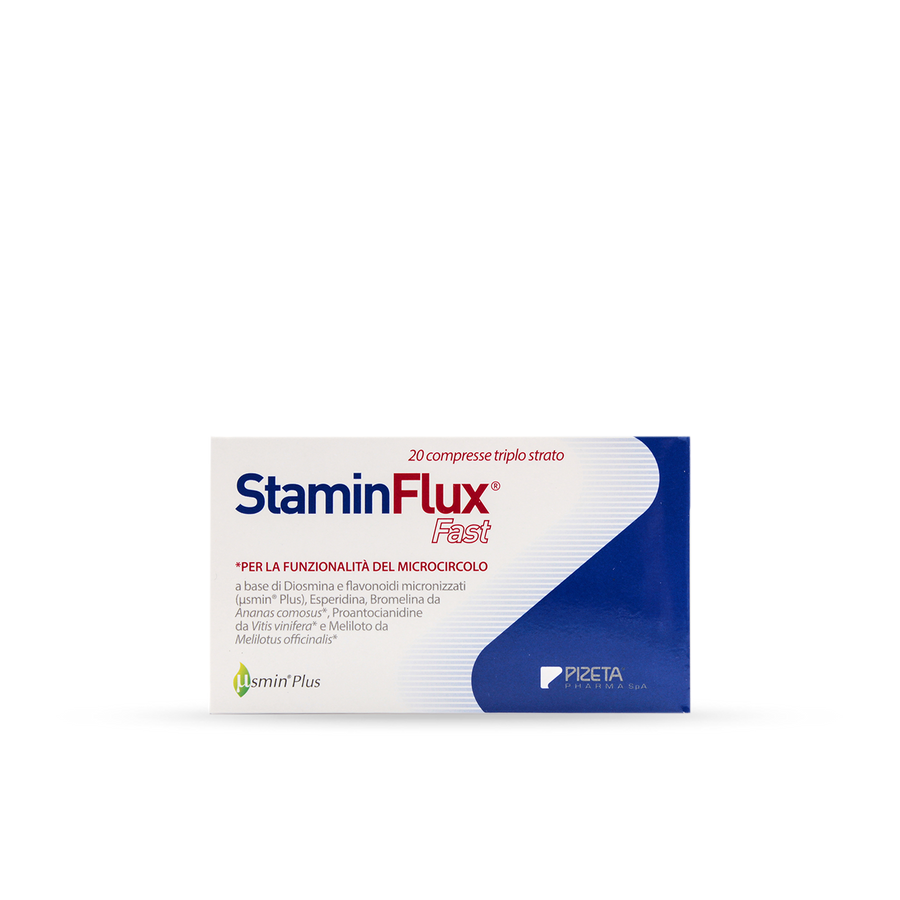
Staminflux Fast is a dietary supplement based on standardized plant extracts with venotonic properties. Thanks to its composition, it is a valuable…